
Guest blog by Penny Lee Taylor-Brown – The Plot Department –
Nineteen years in advertising and media, and a Masters in Artificial Intelligence finished not long ago, led me to build a studio around the least technologically impressive thing I could think of.
People talking to each other.
I’m not anti-AI. I use it daily to save time, gather thoughts, check my spelling (any writer or creative could probably admit their spelling can be iffy- even after 20 years!). Studying it didn’t push me away from using people in my work, it pushed me back toward them, and made me reassess what we’re actually doing when we advertise something.
The job was never just to make an advert. It’s to make somebody feel something, to make them laugh, remember, care, want, trust, and see themselves reflected back. Everything else-the media, the platforms, the current favourite format- is just the mechanics.
Advertising was always about people
Somewhere along the way we got fluent in talking about people as numbers instead of people. Impressions, reach, clicks, conversions, and segments. However, a good advertiser sees every one of those numbers and the car they’re driving, or the office they hate going into on a morning. They see someone driving home thinking about their next holiday. Someone cooking dinner nobody will thank them for. Someone lying awake scrolling mindlessly.
Advertising works when you remember there’s a person on the other end of it, mid-Tuesday, with a whole life happening around them. Great advertising has always sniffed-out something recognisably, embarrassingly human sitting next to the product, the thing that makes someone think ‘yes. That’s me.’
And that’s hard to find in a prompt
AI can produce a full advert, write scripts, generate imagery, produce a hundred variations before lunch, and some of it will be good. But the finished thing will always have something missing. That something lies in where the idea came from.
The best ideas I’ve worked on didn’t develop with someone alone at a screen. They might have materialised in the pub, or the shower but they’ll have started with a conversation, where a client says something offhand that isn’t in the brief. You ask why, then ask why again, and suddenly the thing they thought they were selling isn’t the interesting part at all.
That’s why, at The Plot Department, I’m not interested in someone sending a brief and asking me to “make some content.” I want to know why they started the business, what keeps them up at night, what they believe that their competitors would never say out loud, and how they want people to feel and respond. There’s usually something more interesting hiding there than “we provide excellent customer service” or the classic “free parking”.
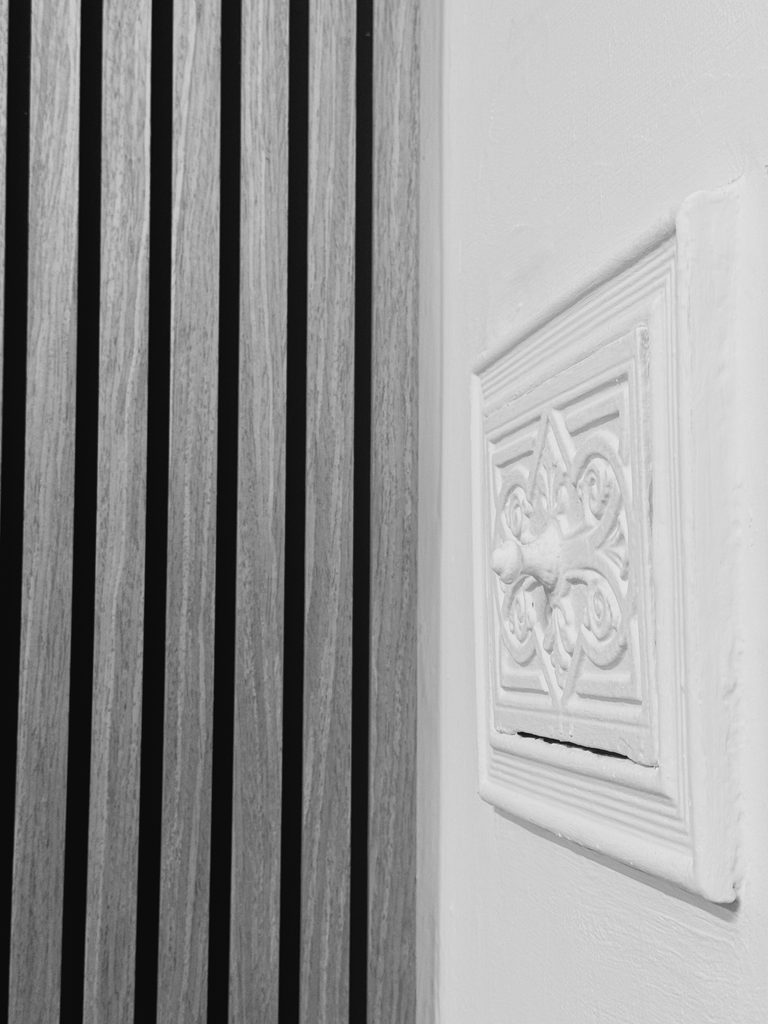
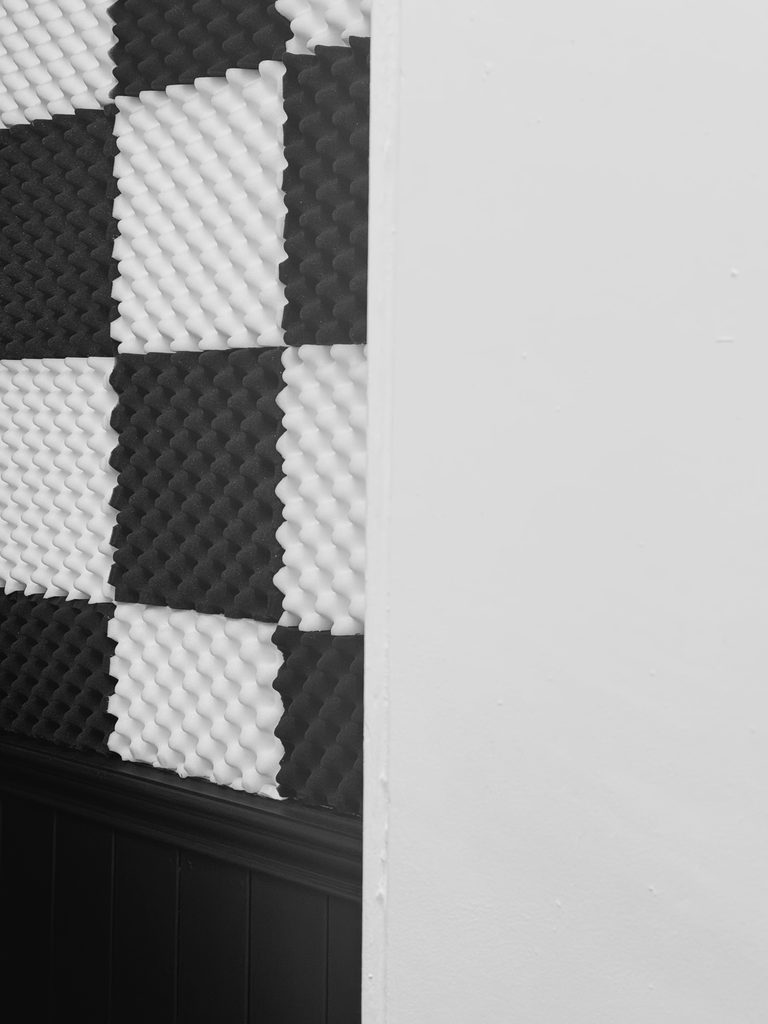

The Plot Department
That’s the real reason my studio now exists. A podcast, audio, advertising, and content studio in Otley, West Yorkshire. I have no interest in it becoming a content factory. AI will only make churning out content easier. Good. Let it.
Things with an actual thought at the start of its existence. A podcast someone genuinely wants to finish. A film that feels like the organisation behind it, not a template with a logo dropped on top. That takes time together. It takes an ideas meeting collaborating with other creatives and analytical people disagreeing sometimes, trying something, watching an idea fall flat, and going again until you find the thing underneath the thing… that’s just perfect.
Because connection is a strange, stubborn thing
AI can imitate emotion frighteningly well. So, fair enough, it doesn’t need to actually feel anything to make us feel something. But there’s a real difference between a reaction and a connection. If I know there’s an actual human behind it, someone who’s genuinely known loss, or love, or fear, that’s a different vibration entirely. It’s why podcasts work, when they work, because you hear people breathe, hesitate, and wander off on a tangent nobody planned for. The mistakes and unscripted bits are usually the best bits.
We might need more of that, not less
We’re heading into a world where polished media will become dirt cheap to produce (and I’m not talking about the local cafes new terrible AI-slop poster). I’m talking big-techs flawless voices, flawless photography, flawless bloody people who were never even born. Personally, I don’t think perfect will hold the masses attention for long, because once everyone has it, it stops meaning anything.
I think provenance is what matters instead. Who actually made this?. Is that a real customer?. Did that conversation actually happen?. For brands, it’s a reminder that businesses are human, selling to humans, with real stories and full lives held within them.
Human-led. Technology-assisted.
AI will have a seat at the table here. It would be a bit rich to spend a year studying it and refuse to touch it. I’ll use it wherever it actually makes the work better, or takes a chore off someone’s plate. Good. Let the machine handle the boring bits, because that frees up time for the part that actually matters, sitting across from someone and asking: What are you really trying to have someone understand/feel/do?
That’s the advertising I want to make. Human-led, built through actual conversation, using every useful tool available. But never forgetting that at the end of all the platforms and data points, there’s a person. And if we want them to connect with us, the least we can do is give them another person to connect to.
Learn more about The Plot Department here.